
Sitzungen und Kontext
Wie Gespräche im Assistant funktionieren, was Kontext bedeutet, wann Sie neu beginnen sollten und wie die Persistenz es Ihnen ermöglicht, Tage später wiederzukommen.
Der Assistant arbeitet in Gesprächen. Jedes Gespräch ist ein durchgehender Faden: Ihre Nachrichten, die Antworten der KI, alle Dateien, die Sie geteilt haben, und die Ergebnisse aller Werkzeuge, die der Assistant aufgerufen hat, leben alle zusammen. Diese Seite erklärt, wie das funktioniert und wie Sie das Beste daraus machen.
Was ein Gespräch ist
Wenn Sie den Assistant öffnen, öffnet das Dashboard entweder ein bestehendes Gespräch oder startet ein neues. Sie werden in der Regel mehrere Gespräche gleichzeitig führen, jedes für ein anderes Stück Arbeit.
Warum das wichtig ist: Der Assistant erinnert sich an alles, was Sie innerhalb eines Gesprächs gesagt haben. Wenn Sie zu Beginn zehn Minuten damit verbracht haben, den Auftrag zu erläutern, müssen Sie ihn später nicht erneut erklären, wenn Sie um eine Bearbeitung bitten. Diese Kontinuität macht es zu einem Gefühl wie die Zusammenarbeit mit einer Kollegin oder einem Kollegen, die das Projekt mit Ihnen begleitet hat.
Gespräche bleiben erhalten
Gespräche bleiben bestehen. Sie können Referenta schließen, am nächsten Morgen (oder in der nächsten Woche oder im nächsten Monat) zurückkommen und genau dort weitermachen, wo Sie das Gespräch verlassen haben. Die Erinnerung des Assistant an den Faden kehrt ebenfalls zurück, sodass Sie eine Folgefrage stellen können, ohne erneut zu erklären.
Die Gesprächsliste befindet sich in der linken Seitenleiste innerhalb des Assistant. Von dort aus können Sie:
- Jedes vergangene Gespräch öffnen.
- Ein Gespräch umbenennen, damit Sie es später wiederfinden.
- Gespräche, zu denen Sie häufig zurückkehren, anpinnen.
- Gespräche löschen, die Sie nicht mehr benötigen.
- Über alle Gespräche hinweg nach einer Phrase suchen, die Sie sich aus früheren Eingaben erinnern.
Was "Kontext" bedeutet
"Kontext" ist alles, was der Assistant über die aktuelle Arbeit weiß. Er stammt in der Regel aus fünf Quellen:
- Ihre Nachrichten. Was Sie gefragt, erklärt oder angewiesen haben.
- Frühere Antworten des Assistant. Was er bereits erzeugt hat.
- Dateien oder Dokumente, die Sie geteilt haben. Eingefügter Text, hochgeladene Dateien, Verweise aus der Knowledgebase.
- Ergebnisse von Werkzeugen, die der Assistant aufgerufen hat. Webseiten, die er abgerufen hat, parlamentarische Dokumente, die er gefunden hat, Passagen, die er aus Ihren Research-Workspaces gelesen hat.
- Ihr erklärtes Ziel. Für wen Sie schreiben, welchen Ton Sie wünschen, welche festen Vorgaben es gibt.
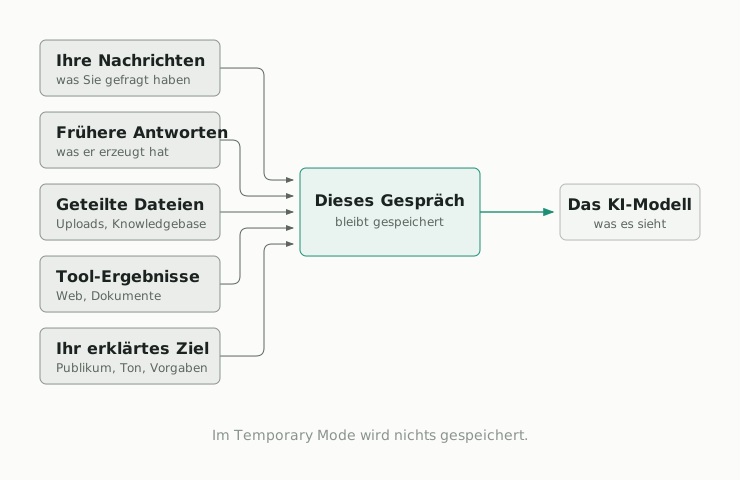
Je mehr relevanten Kontext Sie bereitstellen, desto nützlicher wird der Assistant. Je mehr irrelevanter Kontext (alte Abschweifungen, verworfene Entwürfe, Dateien für eine andere Aufgabe), desto eher kann er verwirrt werden.
Temporäre Gespräche
Wenn Sie etwas fragen möchten, ohne das Gespräch zu speichern, nutzen Sie den Temporary Mode. In der Gesprächsleiste gibt es einen Schalter dafür. Alles, was Sie in einem temporären Gespräch eingeben, wird nicht in der Gesprächsliste gespeichert und ist später nicht durchsuchbar. Nutzen Sie dies für sensible oder einmalige Fragen, die Sie nicht in Ihrer Seitenleiste haben möchten.
Schutz personenbezogener Daten (PII-Maskierung)
Wenn eine Nachricht personenbezogene Daten enthalten könnte — Namen, E-Mail-Adressen, Telefonnummern, Adressen und Ähnliches —, können Sie diese maskieren lassen, bevor sie Ihren Browser verlassen. Schalten Sie dazu Personenbezogene Daten maskieren im Menü Eingabeoptionen ein — der Schaltfläche + neben dem Nachrichtenfeld. Standardmäßig ist der Schalter ausgeschaltet.
Ist er aktiv, werden Ihr Nachrichtentext — und alle Dateien, die Sie im selben Zug anhängen — über Referentas Maskierungsdienst geschickt, bevor das KI-Modell oder auch nur die Sprechblase auf dem Bildschirm sie zu sehen bekommt. Personenbezogene Daten werden durch typisierte Platzhalter ersetzt: Ein Name wird zu etwas wie <PERSON_1>, eine E-Mail-Adresse zu <EMAIL_ADDRESS_1>, ebenso für Telefonnummern, Adressen, IBANs und weitere Entitätstypen. Ihre Nachricht und die Antwort des Assistant zeigen diese als kleine, beschriftete Chips — "Person", "Email", "Phone" und so weiter — anstelle des Platzhaltertexts; der ursprüngliche Wert steckt nur hinter dem Chip und wird nie angezeigt oder an das Modell gesendet.
Während der Maskierungsdienst arbeitet, sehen Sie kurz "Personenbezogene Daten werden maskiert…" an der Stelle, an der sonst Ihre Nachricht steht.
Schlägt die Maskierung fehl — beim Text oder bei einer angehängten Datei — wird nichts an das Modell gesendet. Sie sehen eine Fehlermeldung, und falls es Ihr eingegebener Text war, bleibt Ihr Entwurf genau so im Eingabefeld stehen, wie Sie ihn geschrieben haben, sodass Sie ihn nicht erneut eingeben müssen.
Wann Sie im selben Gespräch bleiben sollten
Bleiben Sie im selben Gespräch, wenn:
- Sie weiterhin an demselben Schriftstück oder derselben Analyse arbeiten.
- Sie möchten, dass der Assistant sich an das erinnert, was Sie zuvor besprochen haben.
- Sie iterieren: mit jeder Bearbeitungsrunde dem Ziel näherkommen.
Beispiel: Eine Pressemitteilung entwerfen. Die erste Nachricht bittet um einen Entwurf. Die zweite bittet um einen formelleren Ton. Die dritte bittet um Kürzung. Alles in einem Gespräch.
Wann Sie ein neues Gespräch starten sollten
Beginnen Sie neu, wenn:
- Sie zu einem völlig anderen Thema oder Arbeitsstück wechseln.
- Der frühere Kontext nicht mehr relevant ist und nur noch Rauschen wäre.
- Sie Ihre Meinung zum Ziel geändert haben und einen sauberen Neuanfang wünschen.
Beispiel: Sie haben die Pressemitteilung fertiggestellt und müssen nun eine Stakeholder-E-Mail zu einem nicht verwandten Thema verfassen. Starten Sie ein neues Gespräch.
Wie Werkzeugaufrufe hineinpassen
Wenn der Assistant ein Werkzeug aufruft (eine Web-Suche, einen Drucksachen-Abruf, das Lesen einer Datei), wird das Ergebnis ebenfalls Teil des Gesprächskontexts. So können sich Folgefragen auf das beziehen, was das Werkzeug gefunden hat, ohne dass Sie es wiederholen müssen.
Zum Beispiel:
- Sie fragen: "Finden Sie aktuelle Bundestagsanträge zum Heizungsgesetz."
- Der Assistant ruft Parliamentary Search auf und liefert drei passende Anträge mit Quellenangaben.
- Sie fragen: "Fassen Sie den zweiten in zwei Absätzen zusammen."
- Der Assistant nutzt das, was er bereits aus dem ersten Aufruf hat. Eine zweite Suche ist nicht nötig.
Dies ist einer der Gründe, warum es sich lohnt, im selben Gespräch zu bleiben: Werkzeugergebnisse summieren sich.
Eine praktische Gewohnheit
Behandeln Sie Gespräche wie Dokumente. Jedes ist "der Faden für dieses eine Stück Arbeit". Pinnen oder benennen Sie die Gespräche um, zu denen Sie zurückkehren werden. Löschen Sie diejenigen, zu denen Sie nicht zurückkehren. Die Persistenz des Assistant ist ein Vorteil, aber eine überfüllte Seitenleiste ist es nicht.
Wie es weitergeht
Projekte
Gespräche, Dateien und dauerhafte Anweisungen in einem Projekt bündeln.
Dateien & Bilder
Dokumente und Bilder in ein Gespräch hochladen.
Best Practices
Konkrete Gewohnheiten, die den Assistant genauer und nützlicher machen.
Werkzeuge, die der Assistant nutzen kann
Was der Assistant über das Schreiben aus dem Gedächtnis hinaus leisten kann.